
Recently, Vietnam officially launched its national blockchain called NDAChain. This is a zero-knowledge-proof-powered national blockchain platform that will help strengthen and modernize the country’s digital infrastructure. Vietnam is now just a step away from joining countries like China and the European Union that have deployed their own sovereign blockchain networks.
Vietnam National Blockchain
According to NDAChain, the launch of the national blockchain was a major step by the government aimed at building a secure, transparent, and scalable digital ecosystem.
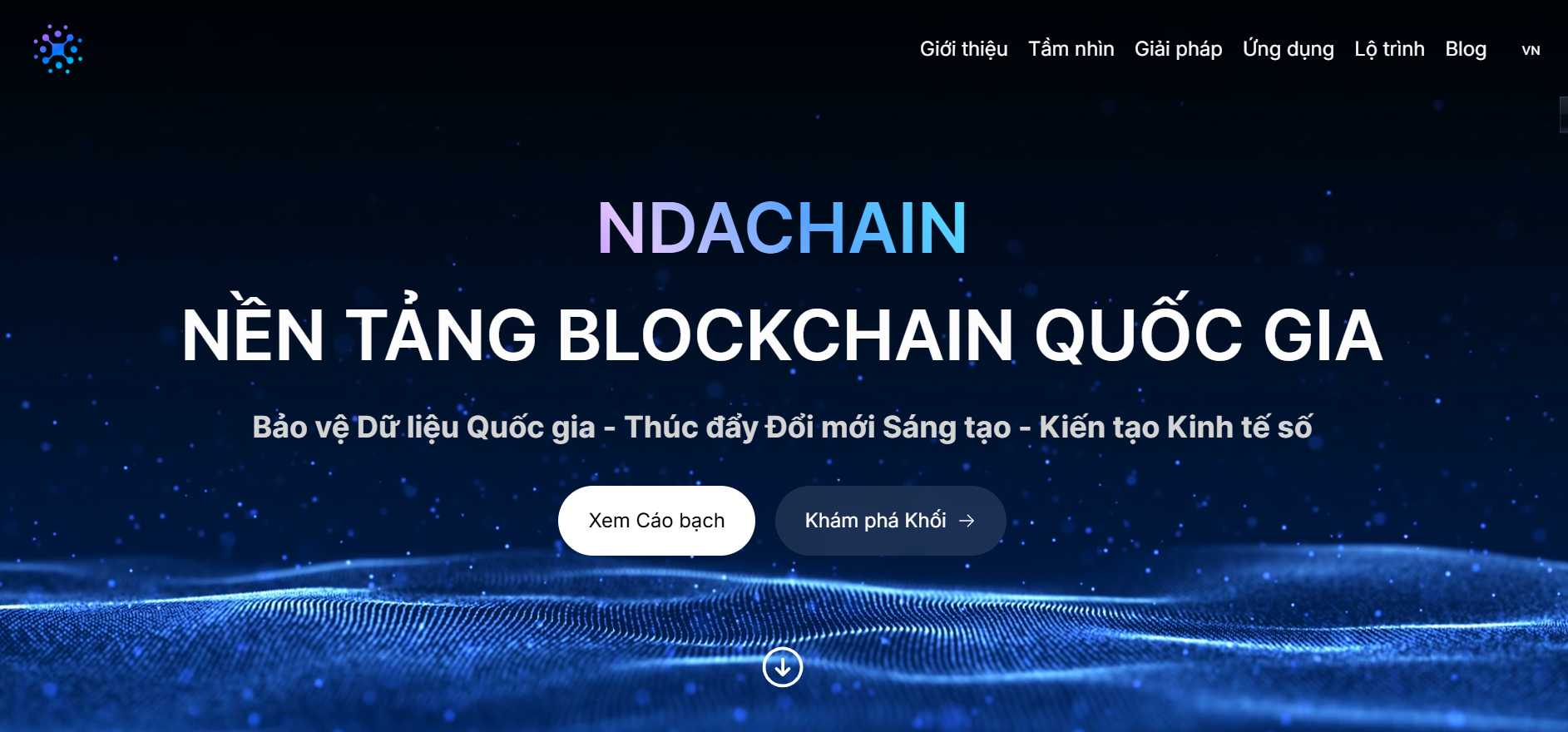
NDAChain is promoted by the country’s National Data Association and supported by a consortium of 49 public-private validator nodes. It is a permissioned Layer-1 blockchain that uses a Proof-of-Authority consensus mechanism and zero-knowledge-proof technology to ensure security.
According to their claims, NDAChain can handle 3,600 transactions per second. They hope this platform will also act as a core layer for data verification. Moreover, Vietnam has decided to fully implement it nationwide by 2026.
Nguyen Huy, the Chief Technology Officer of the National Data Association, said that Vietnam has adopted a hybrid data architecture that combines centralized and decentralized components. NDAChain will serve as a secure layer for essential live data in our digital society and economy.
Limitations of Centralized Data Systems
In October 2024, Vietnam announced its national blockchain development strategy. They said the platform’s vision includes legal frameworks, digital infrastructure, and blockchain-driven innovation.
Within the next few months, the Vietnamese government plans to complete the deployment and integration of NDAChain into the national data center by the end of 2025. After that, it will gradually expand to local governments and then universities, with full implementation expected by 2026. They also plan to expand this large project into the national ecosystem by 2030.
NDAChain further stated that in the next phase, they will focus on workforce development, international cooperation, and building Layer-2 applications tailored to different sectors. This rapid progress is truly impressive and praiseworthy.
This blockchain project will also solve some critical problems of the centralized data model, such as cyberattack risks and lack of scalability. The technology will shine in sectors like education, healthcare, e-government, finance, and logistics. It will also bring relief to blockchain investors, as cryptocurrencies are frequently stolen due to cyberattacks in the digital world. We previously informed you about the GMX hack. If NDAChain can solve or reduce these issues, it will be one of their major achievements.
With the launch of this national blockchain, Vietnam has now joined the list of over 50 countries that have taken similar initiatives, including China, the European Union, and South Korea.
Conclusion
Blockchain is one of the most important technologies of the present and the future. More and more people are turning to it because it offers digital security especially in the crypto market. In the future, almost every country may be compelled to join this market.
Blockchain technology can provide valuable support in sectors like banking and healthcare. Any country that delays adopting this technology will fall behind.

